
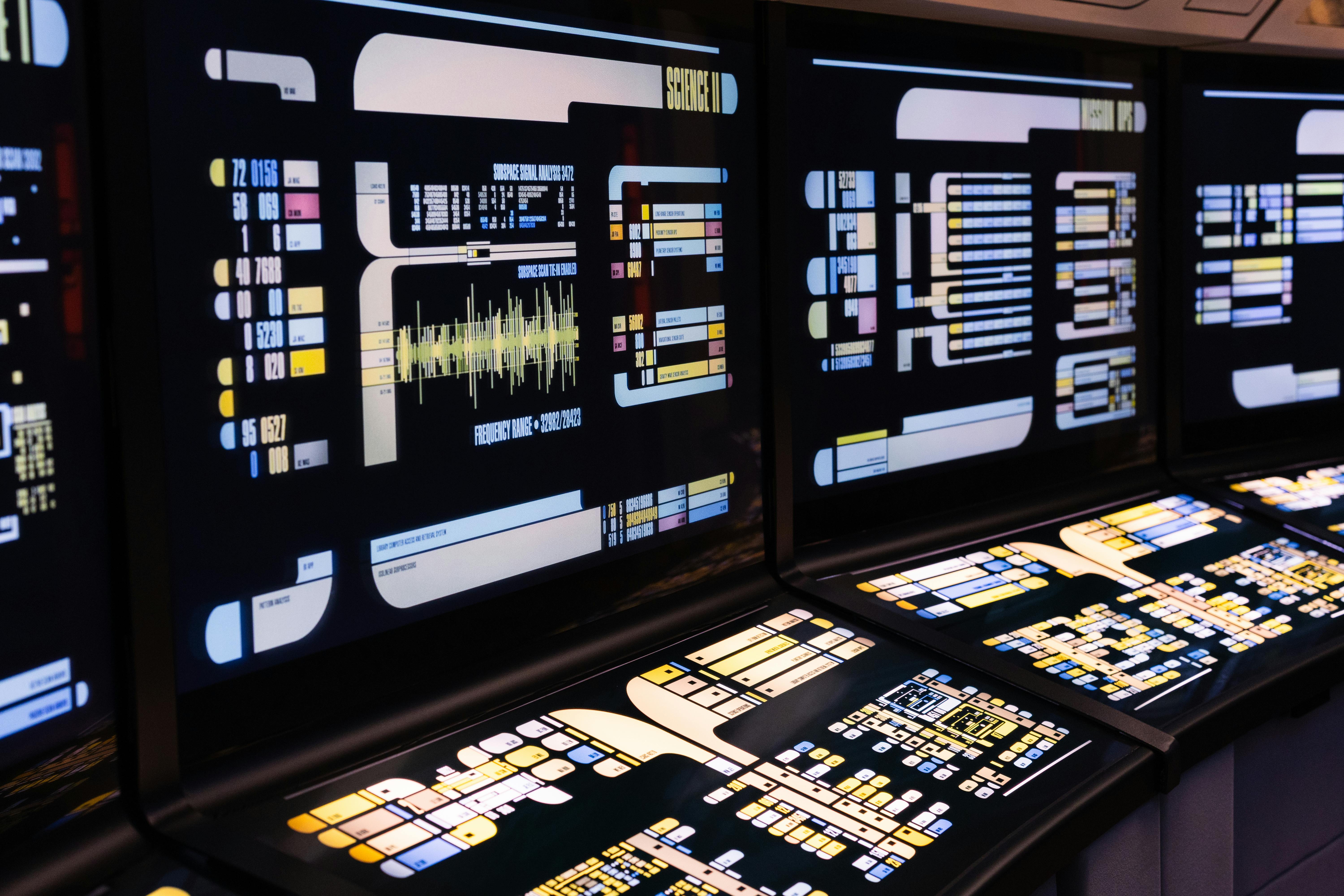
The year is 2026, and the digital world is no longer confined to flat screens. Welcome to the era of spatial computing and hyper-intelligent AI companions, where immersive experiences and personalized assistance redefine productivity, entertainment, and connection. This comprehensive guide helps you navigate the revolutionary landscape of next-gen AR/VR headsets and AI devices, comparing the best options to upgrade your personal tech ecosystem and maximize your investment. Discover the leading products, their features, and find out which spatial computer or AI assistant is perfect for your needs in 2026.
Introduction to the Topic
Remember 2024? The year we were still glued to our smartphones and flat-panel monitors? Fast forward to 2026, and the technological landscape has undergone a seismic shift. We're living in a world where digital information no longer just sits on a screen, but seamlessly integrates into our physical environment. This is the dawn of spatial computing, powered by increasingly sophisticated augmented, virtual, and mixed reality devices. But that's only half the story. Complementing this immersive revolution is the rise of truly intelligent AI companions – proactive, personalized digital entities that learn from us, anticipate our needs, and enhance every aspect of our lives, often manifesting within these new spatial interfaces.
No longer science fiction, the convergence of spatial computing and advanced generative AI is creating a symbiotic ecosystem that promises unprecedented levels of productivity, entertainment, and personal enrichment. From holographic workspaces that float around your living room to AI assistants that manage your entire digital life across multiple dimensions, the future is here, and it’s incredibly exciting. But with rapid innovation comes choice, and potentially confusion. Which spatial computer should you invest in? What kind of AI companion best suits your lifestyle? This article is your definitive guide to understanding, comparing, and ultimately purchasing the best spatial computing and AI companion solutions available in 2026, ensuring you're not just observing the future, but actively living in it.
Backgrounds & Facts
The journey to 2026’s spatial computing era began decades ago with nascent VR experiments, gaining significant traction with the mainstreaming of VR headsets in the mid-2010s. However, the true inflection point arrived with the introduction of high-fidelity, mixed-reality devices that seamlessly blended digital content with the real world. By 2025, devices like the Apple Vision Pro 1 and Meta Quest 3/Pro had laid crucial groundwork, proving the appetite for immersive experiences beyond gaming. Now, in 2026, the second and third generations of these devices, alongside new entrants, offer unparalleled visual fidelity, intuitive interaction, and robust ecosystems.
Simultaneously, AI has evolved beyond simple chatbots. The breakthroughs in large language models (LLMs) and multi-modal AI in the early 2020s paved the way for truly intelligent, personalized AI companions. These aren't just voice assistants; they are proactive agents, capable of complex reasoning, context awareness, and even emotional intelligence, integrated deeply into our devices. From managing your calendar across spatial applications to offering real-time insights during a holographic meeting, these AI companions are the invisible backbone of the spatial web.
The market for spatial computing hardware alone is projected to exceed $100 billion by 2027, with AI software and services adding significantly to this valuation. Key players like Apple, Meta, Google, and Samsung are locked in a fierce innovation race, pushing boundaries in display technology (micro-OLED, waveguide optics), processing power (custom silicon like Apple's M4-based chips, Qualcomm's Snapdragon XR4+), battery efficiency, and haptic feedback. Moreover, a new wave of startups is emerging, specializing in AI companion hardware and software that either integrate with major spatial platforms or offer novel standalone experiences. This vibrant competitive landscape ensures consumers have a wide array of high-quality, feature-rich options to choose from, catering to diverse needs and budgets.
Expert Opinion / Analysis
“We’re witnessing the fundamental re-architecture of human-computer interaction,” states Dr. Anya Sharma, lead futurist at Veridian Labs. “Screens are becoming vestigial. Our digital lives are now spatial, interactive, and deeply personal thanks to the symbiotic relationship between advanced AI and immersive hardware. The 'killer app' for spatial computing isn't a single application; it's the AI itself, making every interaction intuitive and proactive.”
Industry analysts agree that 2026 is a pivotal year. “The hardware is finally catching up to the vision,” explains tech journalist Marcus Chen. “High-resolution pass-through video, incredibly low latency, and comfortable designs mean that mixed reality is no longer a novelty but a genuine alternative to traditional computing. The real magic, however, lies in how generative AI is transforming these devices from mere display engines into intelligent partners. Your AI companion can now curate your spatial workspace, pull up relevant holographic data during a conversation, or even co-create digital art with you in real-time.”
However, challenges remain. Data privacy and ethical AI development are paramount. “As AI companions become more integrated and predictive, the responsibility to safeguard user data and prevent algorithmic bias intensifies,” warns privacy advocate Lena Petrova. “Consumers must prioritize devices and platforms that offer robust encryption, transparent data policies, and user-centric control over their personal AI.” Furthermore, the cost of entry for premium spatial computers remains a barrier for some, though increasing competition is driving down prices and expanding the range of accessible options.
The consensus is clear: the future is spatial, and it's powered by AI. The question for consumers isn't if they'll adopt these technologies, but when, and more importantly, which blend of hardware and AI best empowers their unique digital journey.
💰 Best Options in Comparison (VERY IMPORTANT)
In 2026, the market offers a compelling array of spatial computing devices and integrated AI companions. Whether you're a professional seeking ultimate productivity, a gamer craving unparalleled immersion, or simply looking for the next evolution in personal assistance, there's an option for you. Here are our top picks, designed to help you make an informed purchasing decision and maximize your RPM.
- Apple Vision Pro 2 (2026 Model): The undisputed king of spatial computing for professionals and creative enthusiasts. Boasting an M4-based R2 spatial chip, stunning dual 8K micro-OLED displays, and enhanced passthrough with a wider field of view, the Vision Pro 2 delivers unparalleled visual fidelity and seamless integration with the Apple ecosystem. Its deep integration with 'Siri Pro' – an advanced, proactive AI companion – makes it a productivity powerhouse for holographic workspaces, 3D design, and collaborative meetings. Best for those prioritizing premium experience and robust ecosystem integration.
- Meta Quest 4: Meta's flagship offering continues its reign as the most versatile and accessible spatial computing device. The Quest 4 features a new Snapdragon XR4+ chip, improved 'pancake' optics for a slimmer profile, and full-color passthrough with enhanced depth sensing. Its 'Meta AI Assistant' is now a fully embodied, conversational AI, capable of complex tasks across gaming, social VR, and mixed-reality productivity apps. With a vast content library and a more approachable price point, it's ideal for gamers, socializers, and everyday mixed reality users seeking great value.
- Google Aura X: Google's highly anticipated entry, the Aura X, focuses on AI-first spatial computing. It features proprietary waveguide displays for a sleek, glasses-like form factor and is deeply integrated with 'Gemini Spatial,' a hyper-personalized AI companion that uses real-time context to offer proactive assistance, information overlays, and intuitive control. The Aura X excels in information retrieval, navigation, and subtle AR enhancements for daily life, making it perfect for those who want intelligent assistance without heavy immersion.
- Nexus Assistant Pro: While not a full spatial computer, the Nexus Assistant Pro is a standalone, pocket-sized AI companion device that integrates seamlessly with any spatial platform (or even traditional screens). Leveraging advanced multi-modal AI, it acts as your personal digital twin, managing communications, generating content, and even negotiating on your behalf. Its strength lies in its cross-platform utility and deep personalization, making it an essential upgrade for anyone wanting a truly autonomous AI agent.
To help you compare these cutting-edge devices and make the best buying decision, here’s a detailed table outlining their key features:
| Device/Option | Price (Est. 2026) | Key Features | AI Integration | Best For | Ecosystem |
|---|---|---|---|---|---|
| Apple Vision Pro 2 | $3,999 - $4,999 | Dual 8K micro-OLED, M4-based R2 chip, enhanced passthrough, precise eye/hand tracking, haptic feedback. | Siri Pro (proactive, context-aware, deep OS integration for spatial tasks). | Professionals, creatives, Apple ecosystem users seeking premium performance and productivity. | Apple (visionOS, App Store, iCloud). |
| Meta Quest 4 | $699 - $999 | Snapdragon XR4+ chip, improved pancake optics, full-color passthrough, haptic controllers, expansive game library. | Meta AI Assistant (embodied, conversational, strong in gaming/social VR, integrated with Meta apps). | Gamers, social VR enthusiasts, everyday mixed reality users, value seekers. | Meta (Quest Store, Horizon Worlds). |
| Google Aura X | $1,499 - $1,899 | Sleek glasses form factor, waveguide displays, custom Tensor-based chip, advanced environmental sensing. | Gemini Spatial (hyper-personalized, proactive info overlays, intuitive control, strong Google Assistant integration). | Information workers, daily AR users, those prioritizing subtle intelligence and seamless integration with Google services. | Google (Android XR, Google Workspace, Google Play). |
| Nexus Assistant Pro | $349 - $499 | Pocket-sized, always-on AI hardware, multi-modal input/output, secure local processing, long battery life. | Autonomous AI agent (personal digital twin, cross-platform task automation, content generation, proactive management). | Anyone seeking a truly autonomous, cross-platform AI companion for daily life and work. | Platform agnostic (works with iOS, Android, visionOS, MetaOS, Windows). |
Outlook & Trends
The trajectory for spatial computing and AI companions is steep and exciting. Looking beyond 2026, we anticipate several key trends that will further reshape our interaction with technology:
- Miniaturization & Ubiquity: Expect spatial computers to shrink dramatically, moving from headsets to everyday smart glasses, and eventually, perhaps even contact lenses. This will make the technology truly ubiquitous, seamlessly blending with our daily attire.
- Hyper-Personalized AI Ecosystems: AI companions will become even more sophisticated, learning nuanced preferences, emotional states, and even predicting needs with uncanny accuracy. They'll evolve into true digital confidantes, managing increasingly complex aspects of our lives, from health and wellness to financial planning.
- The Spatial Internet & Metaverse Evolution: While the 'metaverse' concept faced early hurdles, spatial computing is providing the tangible hardware for its realization. We'll see a flourishing 'spatial internet' where persistent digital objects, collaborative workspaces, and immersive entertainment environments become commonplace, accessible across various devices.
- Advanced Haptics & Brain-Computer Interfaces (BCI): Haptic feedback will become more realistic, allowing for tangible interaction with digital objects. Further down the line, nascent BCI technology may enable direct thought control, blurring the lines between mind and machine.
- Ethical AI & Regulation: As AI becomes more powerful and pervasive, the focus on ethical development, transparency, and robust regulatory frameworks will intensify. User control over data, AI bias mitigation, and digital well-being will be critical discussion points.
The integration of these technologies will not only redefine how we work and play but also how we perceive and interact with reality itself. The future promises an era of enhanced human capability and unprecedented digital experiences.
Conclusion
2026 marks a pivotal moment in the evolution of personal technology. The convergence of spatial computing and advanced AI companions is not merely an incremental upgrade; it’s a fundamental shift in how we interact with the digital world. From the breathtaking immersion of the Apple Vision Pro 2 to the versatile utility of the Meta Quest 4, the intelligent assistance of the Google Aura X, and the cross-platform power of the Nexus Assistant Pro, the options for embracing this future are more compelling than ever.
Investing in these technologies today means investing in enhanced productivity, richer entertainment, and a more intuitive, personalized digital life. As you consider your next major tech purchase, remember that the best choice aligns not just with your budget, but with your vision for how technology can truly empower you. Don't be left behind in the flat-screen past. Step into the vibrant, intelligent, and infinitely spatial future that 2026 has to offer. Your next-gen upgrade awaits!