
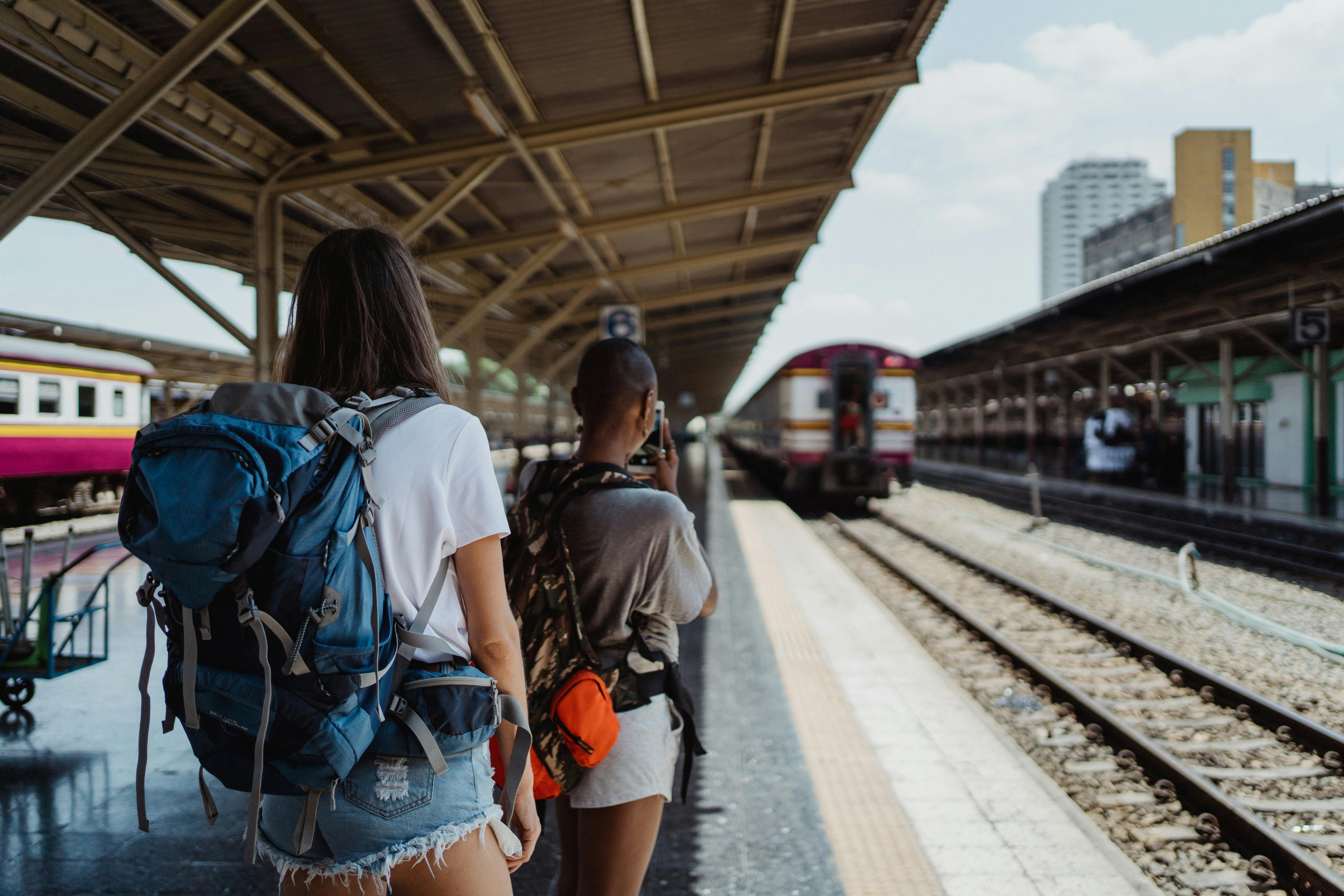
Unlock the ultimate guide to the best digital nomad destinations and workcation spots for 2026. This comprehensive article compares top cities for remote work, details essential travel insurance, accommodation, and co-working options, and reveals strategies to maximize your savings while embracing the work-from-anywhere lifestyle. Discover high-speed internet hubs, vibrant communities, and lucrative opportunities for your next adventure.
Introduction to the Topic
The global workforce has undergone a seismic shift, and as we navigate 2026, the digital nomad and workcation phenomena are no longer niche trends but mainstream movements reshaping how we live, work, and travel. The allure of escaping the traditional office, embracing cultural immersion, and working from breathtaking locales has never been stronger. With advancements in connectivity, an explosion of remote-first companies, and an increasing number of countries rolling out attractive digital nomad visas, the dream of a 'work-from-anywhere' lifestyle is more accessible and appealing than ever before. But with a world of options, how do you choose the perfect destination that balances productivity, adventure, affordability, and community? This in-depth guide from lesstalks.com is your definitive blueprint to navigating the best digital nomad destinations and workcation opportunities in 2026, ensuring you maximize both your freedom and your funds.
Whether you're a seasoned remote worker looking for your next base or an aspiring nomad taking the plunge, understanding the landscape of emerging hubs, essential services, and smart financial strategies is crucial. We'll delve into the factors that define a truly great digital nomad city, compare top contenders, and equip you with the knowledge to make your 2026 work-travel dreams a vibrant reality.
Backgrounds & Facts
The exponential growth of remote work, accelerated by technological innovation and shifting corporate mindsets, has firmly cemented the digital nomad lifestyle as a viable and desirable career path. By 2026, estimates suggest that the global digital nomad population will exceed 50 million, a significant leap from previous years. This surge is fueled by several key factors:
- Technological Advancements: Ultra-fast 5G networks, Starlink's expanding satellite internet coverage, and sophisticated collaboration tools have made seamless remote work possible from virtually any corner of the globe. Video conferencing is clearer, cloud computing faster, and project management more intuitive than ever.
- Evolving Corporate Culture: Many companies, having witnessed the success of remote models during the mid-2020s, have adopted 'remote-first' or 'hybrid' strategies as permanent fixtures. This provides employees with the flexibility and autonomy to choose their workspace, opening doors to workcations and extended stays abroad.
- Digital Nomad Visas: Recognizing the economic benefits of attracting high-earning, low-impact visitors, over 60 countries have introduced specific digital nomad visas or long-stay remote worker permits by 2026. These streamlined processes offer legal residency and tax incentives, making long-term stays far more straightforward than relying on tourist visas.
- Economic Incentives: For individuals, the ability to earn a first-world salary while living in a country with a lower cost of living can significantly boost savings, accelerate debt repayment, or simply afford a higher quality of life. This economic arbitrage is a powerful motivator for many.
- Community & Support: The rise of dedicated online communities, co-living spaces, and local nomad groups has created robust support networks, making the transition and integration into new cultures much smoother.
These combined forces have created an unprecedented era of work-travel freedom, transforming global travel patterns and local economies alike. The demand for specialized services, from long-term travel insurance to co-working facilities and culturally immersive experiences, continues to skyrocket.
Expert Opinion / Analysis
We spoke with Dr. Lena Schmidt, a leading futurist in travel and remote work trends, and Marco Rossi, a veteran digital nomad and founder of 'NomadFlow Consulting,' for their insights into the 2026 landscape.
"The key differentiator for a successful digital nomad hub in 2026 isn't just fast internet or low cost of living anymore," explains Dr. Schmidt. "It's about the holistic ecosystem. Nomads are looking for destinations that offer a strong sense of community, accessible healthcare, clear visa pathways, and a genuine commitment to integrating remote workers into the local fabric. We're seeing a shift from 'party hubs' to 'productivity and wellness hubs' where work-life balance is truly achievable."
Marco Rossi emphasizes the importance of 'soft infrastructure.' "Everyone talks about fiber optics, but what about the coffee shop culture? The ease of making local friends? The availability of mental health support? These are the things that prevent burnout and foster long-term stays. For 2026, I recommend looking beyond the obvious choices. Emerging destinations that are actively building nomad-friendly communities and offering unique cultural experiences are where you'll find the best value and most authentic connections. Also, never skimp on your insurance; a good policy like those from SafetyWing or World Nomads is non-negotiable."
Both experts agree that sustainability is also a growing concern. "Conscious travel is paramount," says Dr. Schmidt. "Nomads in 2026 are increasingly seeking out eco-friendly accommodations and supporting local businesses that prioritize ethical practices. Destinations that embrace green initiatives and offer opportunities for giving back will see a competitive edge." The consensus is clear: the ideal digital nomad destination in 2026 is a blend of practical amenities, cultural richness, community support, and a forward-thinking approach to sustainable living.
💰 Best Options in Comparison (VERY IMPORTANT)
Choosing your next digital nomad base can be overwhelming, but we've narrowed down four of the hottest, most promising destinations for 2026, each offering a unique blend of benefits for remote workers. We've considered factors like cost of living, connectivity, visa ease, community, and quality of life.
1. Lisbon, Portugal: The European Sweet Spot
Lisbon continues its reign as a top-tier digital nomad destination. Its stunning architecture, vibrant culture, delicious food, and welcoming atmosphere make it incredibly appealing. Portugal's dedicated digital nomad visa offers a straightforward path to legal residency, and its membership in the EU provides easy access to explore the rest of Europe. While not the cheapest on this list, it offers excellent value for money compared to other Western European capitals. The city boasts numerous co-working spaces like Second Home Lisboa and a thriving international community, making networking and social integration effortless. High-speed internet is standard, and the mild climate is a huge draw. For accommodation, platforms like Airbnb and specialized long-term rental sites offer diverse options, but booking well in advance is recommended, especially for peak seasons.
2. Bali, Indonesia (Canggu & Ubud): The Tropical Haven
Bali remains an iconic choice, particularly for those seeking a blend of spiritual wellness, vibrant surf culture, and a strong, established nomad community. While Indonesia is still developing a formal digital nomad visa, the B211A business visa allows for extended stays, and local facilitators can assist. Canggu is the hub for surf-loving, entrepreneurial nomads, while Ubud offers a more serene, wellness-focused experience. Internet speeds are generally good in popular areas, and the cost of living is significantly lower than in many Western countries. Co-working spaces like Dojo Bali and Outpost are legendary for their facilities and community events. For finding the best flight deals to Denpasar (DPS), always check Skyscanner or Google Flights. Be mindful of the rainy season and local customs.
3. Medellín, Colombia: The City of Eternal Spring
Medellín has rapidly ascended the ranks as a prime digital nomad spot, thanks to its pleasant climate, incredibly affordable cost of living, burgeoning tech scene, and friendly locals. While Colombia doesn't have a specific digital nomad visa yet, its existing visa options (like the Migrant Visa for professionals) are relatively accessible for remote workers. The city's transformation over the past two decades is remarkable, offering modern infrastructure, excellent public transport, and a lively cultural scene. El Poblado is the most popular neighborhood for nomads, with numerous cafes and co-working spaces like Selina Medellín. The internet infrastructure is robust, and the city's natural beauty, surrounded by mountains, is captivating. For safe and reliable long-term stays, consider using reputable platforms like Booking.com for apartments or local real estate agents.
4. Taipei, Taiwan: The Asian Gem of Connectivity & Safety
Taipei stands out for its exceptional internet infrastructure, incredibly low crime rate, efficient public transportation, and a unique blend of modern city life with traditional culture. Taiwan introduced its Gold Card program, which functions effectively as a digital nomad visa for skilled professionals, offering significant benefits. While the cost of living is higher than in Medellín or Bali, it's still considerably more affordable than major Western cities, especially for the quality of life. The food scene is world-class, and the natural landscapes (hot springs, mountains) are easily accessible. Co-working spaces such as FutureWard Central cater to an international crowd. For seamless connectivity and online security while traveling, a reliable VPN service like NordVPN or ExpressVPN is highly recommended.
Here's a quick comparison of these top destinations:
| Destination | Cost of Living Index (vs. NYC=100) | Avg. Internet Speed (Mbps) | Digital Nomad Visa | Top Co-working Space | Community Vibe | Key Benefit |
|---|---|---|---|---|---|---|
| Lisbon, Portugal | 45-50 | ~150-200 | Yes (D7 / Digital Nomad Visa) | Second Home Lisboa | Established, diverse, welcoming | EU base, culture, food |
| Bali, Indonesia | 25-30 | ~50-100 (variable) | B211A Business Visa (de facto) | Dojo Bali / Outpost | Vibrant, spiritual, surf-focused | Affordability, wellness, nature |
| Medellín, Colombia | 20-25 | ~80-120 | Yes (Migrant Visa for Professionals) | Selina Medellín | Friendly, lively, growing tech | Low cost, climate, culture |
| Taipei, Taiwan | 50-55 | ~200-300+ | Yes (Gold Card) | FutureWard Central | Safe, efficient, foodie paradise | Connectivity, safety, quality of life |
When planning your trip, consider specialized financial tools like Wise (formerly TransferWise) or Revolut for managing international payments and currency exchange with minimal fees. For long-term accommodation beyond initial Airbnb stays, explore local Facebook groups or specialized nomad housing platforms for better deals. Don't forget to research local SIM cards upon arrival for reliable mobile data.
Outlook & Trends
The digital nomad landscape in 2026 is dynamic and continually evolving. Several key trends are shaping its future:
- Hyper-Personalized AI Travel Planning: AI-powered platforms are becoming increasingly sophisticated, offering personalized recommendations for destinations, accommodations, and even social connections based on individual preferences, work requirements, and budget. Expect AI to streamline visa applications and optimize travel routes for maximum efficiency and savings.
- Rise of 'Workation Resorts' & Co-living Retreats: Beyond traditional co-working spaces, dedicated 'workation' resorts are emerging, offering all-inclusive packages that blend luxury accommodation, high-speed internet, wellness facilities, and curated community events. Co-living spaces are also becoming more specialized, catering to niches like 'family nomads' or 'creative entrepreneurs.'
- Sustainable Nomadism: As environmental awareness grows, sustainable travel practices will become non-negotiable. Nomads will prioritize destinations and service providers committed to eco-friendly operations, carbon offsetting programs, and supporting local economies ethically. Expect more 'green' digital nomad visas.
- Niche Nomad Communities: The broad 'digital nomad' identity is fragmenting into more specific tribes – health and wellness nomads, adventure nomads, culinary nomads, tech nomads, etc. This will lead to more specialized events, tours, and even destinations catering to these distinct interests.
- Emerging Destinations: While established hubs thrive, new contenders are rapidly gaining traction. Countries in Eastern Europe (e.g., Albania, Romania), Central Asia (e.g., Uzbekistan), and certain parts of Africa (e.g., Cape Town, South Africa) are investing heavily in infrastructure and nomad-friendly policies, promising exciting new frontiers for exploration and remote work.
The future of digital nomadism is bright, offering unparalleled opportunities for personal and professional growth, provided you stay informed and adaptable.
Conclusion
The digital nomad lifestyle in 2026 is an accessible and rewarding path for those seeking freedom, adventure, and professional growth beyond the confines of a traditional office. From the vibrant streets of Lisbon to the serene beaches of Bali, the bustling energy of Medellín, and the hyper-connected safety of Taipei, the world is truly your office. By leveraging the right tools for flights (Skyscanner), accommodation (Airbnb, Booking.com), insurance (SafetyWing, World Nomads), and financial management (Wise), you can embark on your journey with confidence and maximize your experience.
Remember, the best destination is the one that aligns with your personal and professional goals, offering the perfect blend of connectivity, community, cost-effectiveness, and culture. Start planning your 2026 workcation today – your next adventure, and perhaps your best work, awaits!